
How many vendors do you need for an outdoor festival or community event?
Rules of thumb for food stalls and traders at outdoor festivals — attendee ratios, variety, and how Eventplot helps you plan pitches on a map without overbooking.


There is no single magic number of festival vendors — but organisers and trader associations publish useful rules of thumb for food stalls, and food-festival guides suggest starting sizes for first events. This article summarises those sources, then shows how Eventplot helps you place whatever mix you choose on a real site plan.

Key takeaways
- For food trucks at events where most people eat, several US organiser guidelines cite roughly one truck per 200–300 attendees when demand is spread out (Cincinnati Food Truck Association organiser guidelines; see also the Central Ohio Food Truck Association planner guidelines).
- Tighter meal windows need denser coverage — association guides aimed at “everyone eats” events still start around 200–300 attendees per truck, and recommend doubling that spacing when food is only a side offer (Central Ohio Food Truck Association; Minnesota Food Truck Association).
- UK street-food organisers warn that too many similar stalls for the footfall leaves traders short of sales — one formula discusses aiming for enough potential buyers per vendor after assuming not everyone purchases (Indi Local).
- For a first local food festival, one UK guide suggests starting with about 15–25 vendors rather than jumping to a 50-stall production (Tickts).
- Variety beats duplicates — multiple identical burger stalls usually underperform a smaller, mixed lineup (same sources above).
Food vendor ratios (what published guides say)
Spread-out festival day
The Cincinnati Food Truck Association tells organisers the ideal ratio is 200–300 attendees per truck if everyone is expected to eat; below ~200, trucks struggle to make money; above ~300, lines get long. If it is not primarily an “eating” event, they suggest doubling that ratio (organiser guidelines).
Kind Brew cites the same one truck per 200–300 attendees ballpark for manageable lines and fair vendor sales (Cincinnati Food Truck Association). Longer festivals may need denser cover for separate lunch and dinner peaks — the Minnesota Food Truck Association similarly warns that going much above ~300 diners per truck often means long queues.

Tight service windows
When almost everyone eats in a short rush, plan denser cover than a long grazing day — US food-truck associations still frame a full-meal event around ~200–300 attendees per truck, and roughly double that when food is not the main draw (Cincinnati; Central Ohio). Festivals differ from corporate lunches — people snack, share, and arrive in waves — so treat those numbers as starting points, not laws.
UK outdoor events: mix and scale
- First-time food festival: Tickts suggests ~15–25 vendors, a simple programme, and room to grow later (guide). They also recommend pitch planning (e.g. about 3m×3m per pitch with walkways) on a drawn site plan.
- Large established food festival: St Fagans Food Festival’s 2025 trader pack describes an event that attracts on the order of 24,000 visitors over a weekend with more than 80 Welsh food, drink and craft stalls (trader application guidance PDF) — a different scale from a village first edition.
- City centre programmes: councils such as St Albans run large public events with markets on the order of ~100 traders plus stages and entertainment — again, programme design drives the number, not a single formula.

What tends to work (across sources)
- Complementary menus — stagger savory/sweet; avoid three coffee stalls for a 300-person event (Indi Local; Cincinnati layout tips).
- Honest footfall — traders plan stock from your numbers; over-promising attendance is a known complaint in organiser guidelines.
- Space and access — vehicle access, power, and clear pitches matter as much as headcount (Tickts; folk.guide festival catering overview).
- Craft vs hot food — craft/gift markets follow different economics than meal service; do not apply food-truck ratios blindly to non-food stalls.
How Eventplot helps once you pick a number
Whether you land on 12 community stalls or 80 festival traders, you still need applications, plot placement and a public map.
- Collect applications with a shared link and custom questions
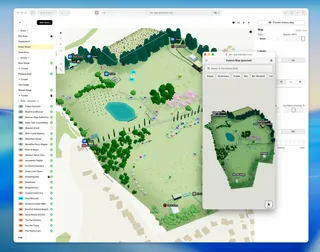
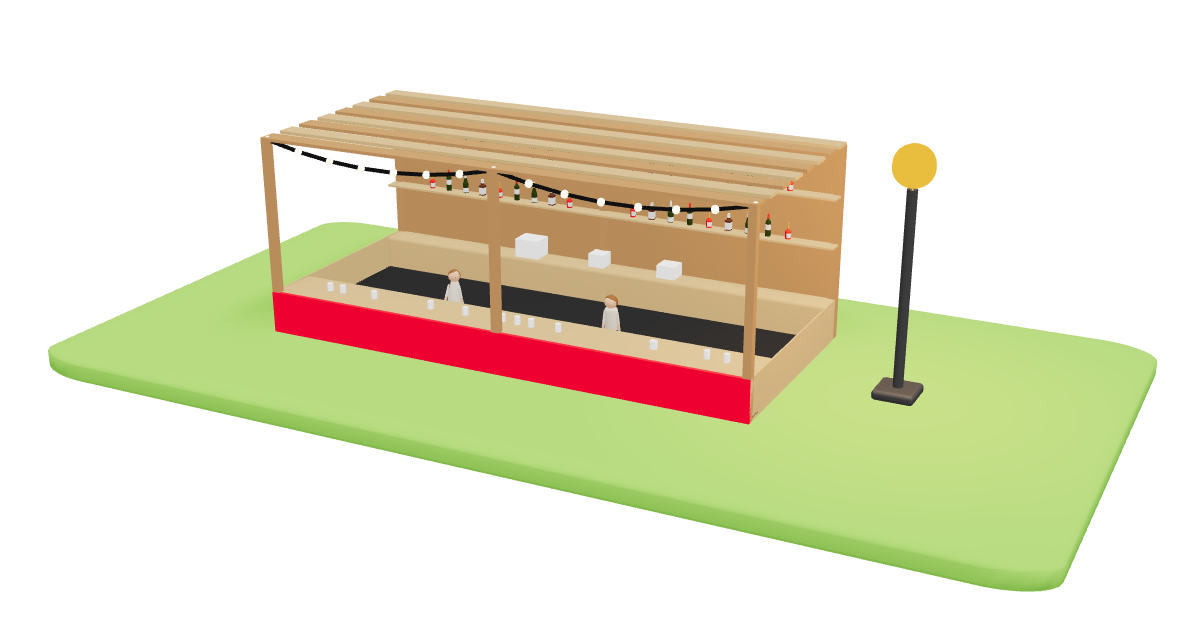
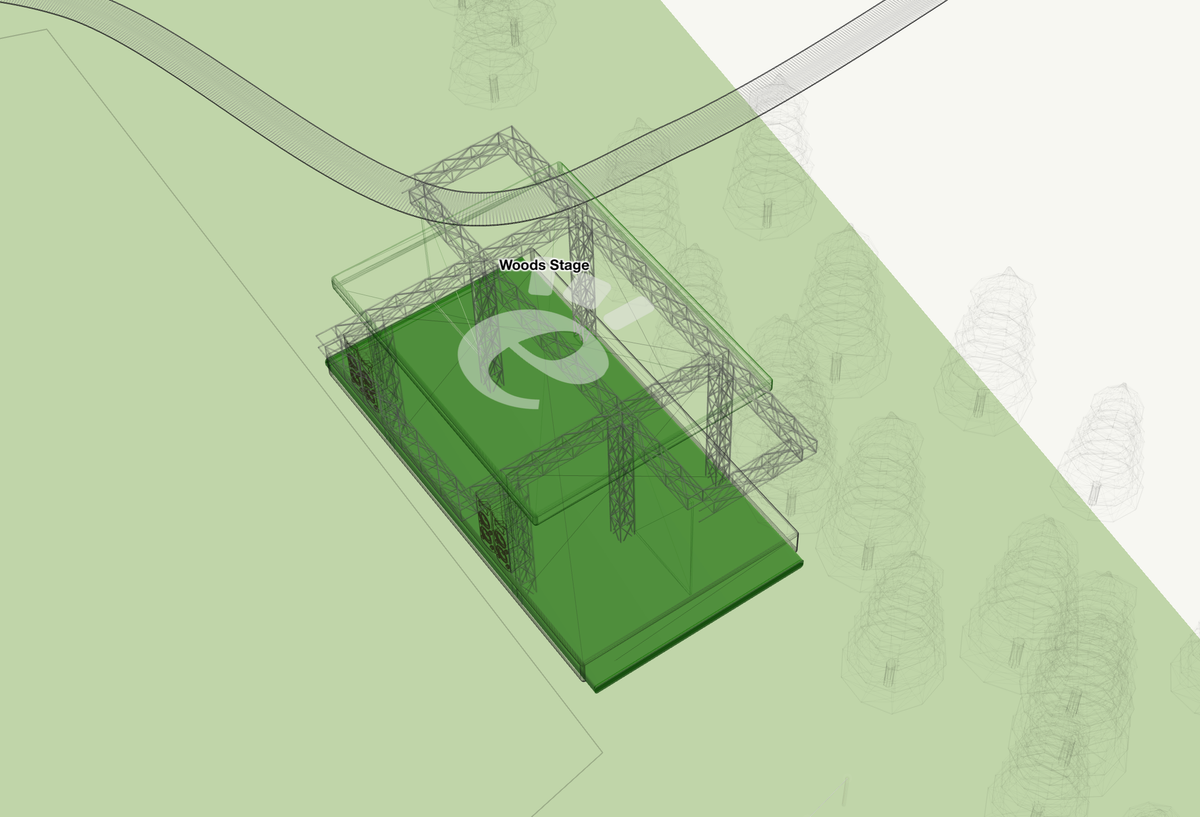
- Place vendors on the 3D planning map, move and swap pitches
- Keep traders Private until you Publish to the website and visitor map
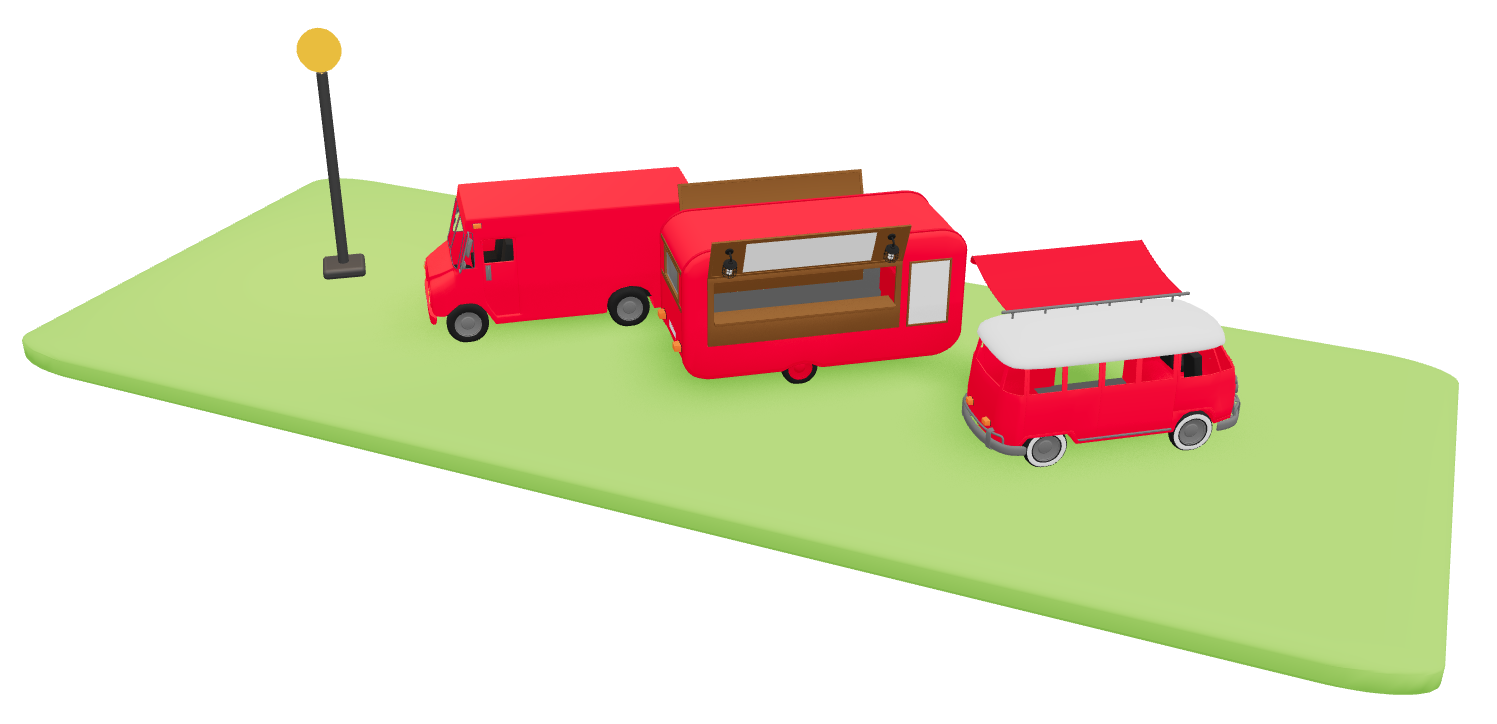
Deep dive: festival vendor management in one system (draft sibling article) and Managing vendors.
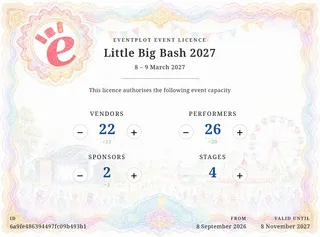
Remember: each vendor slot on an Event Licence uses capacity — see Pricing.
FAQ
How many food vendors for 2,000 people?
Using a ~200–300 attendees-per-vendor guide for a staggered festival day, organisers often discuss roughly 7–10 food vendors as a starting conversation — then adjust for peaks, menu speed and non-food options. Always check your own programme design.
Should craft stalls use the same ratio?
No. Food-truck ratios are about meal throughput. Craft and retail stalls follow different dwell and spend patterns.